
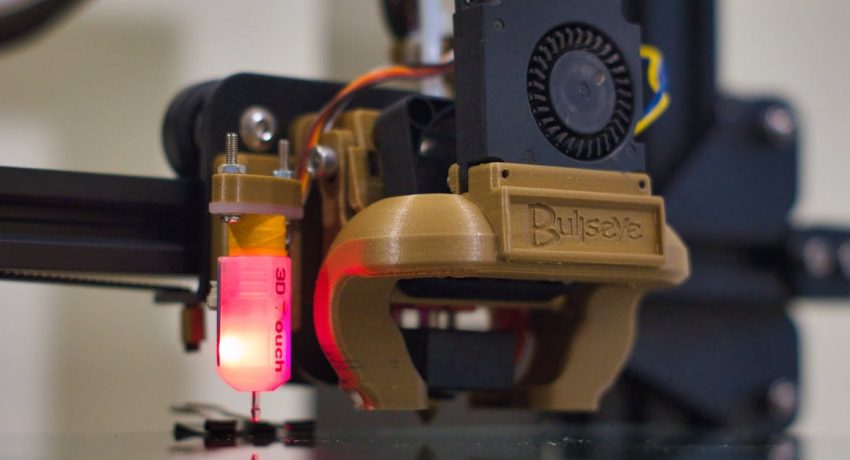
In a world where creativity meets technology, 3D printers reign supreme. These magical machines can turn a digital dream into a tangible reality, but they don’t work alone. Behind every impressive print lies a cast of components that deserve their moment in the spotlight. Think of them as the unsung heroes of the printing realm, each playing a crucial role in bringing ideas to life.
Table of Contents
ToggleOverview of 3D Printer Components
3D printers consist of several critical components that work together to produce accurate and high-quality prints. Each part contributes uniquely to the overall performance of the device.
The frame supports the structure and stability of the printer, ensuring minimal movement during operation. A stable frame leads to better print quality and precision.
The stepper motors drive the movement of the print head and the build plate. Smooth operation of these motors affects the printing speed and accuracy.
The print head houses the nozzle and is responsible for melting and extruding the filament. Design choices here can influence the type of materials compatible with the printer.
Filaments, the raw materials in the printing process, come in various types such as PLA, ABS, and PETG. Each filament type has specific characteristics that affect strength, flexibility, and finish.
The heated bed helps to maintain adhesion during the printing process. Proper temperature management on the bed minimizes warping and improves layer adhesion.
An electronic control board manages all the movements and processes within the 3D printer. This component translates digital models into actionable instructions.
Power supplies provide the necessary energy to all components of the printer. A reliable power supply enhances the printer’s performance and longevity.
Cooling fans play a pivotal role in regulating the temperature of the print head and cooling the printed material. Effective cooling helps avoid defects and improves overall print quality.
Understanding these components reveals the complexity behind 3D printing technology. Efficiency and effectiveness stem from the collaboration of these parts, making them integral to the success of any 3D printing project.
Main Categories of Components
Understanding the main categories of 3D printer components clarifies their roles in the printing process. Each category encompasses vital parts that contribute to the printer’s overall functionality.
Mechanical Components
Mechanical components form the printer’s structure and ensure reliable movement. The frame provides stability, preventing vibrations that could distort prints. Stepper motors control motions in the X, Y, and Z axes, allowing precise positioning. Guide rails and bearings facilitate smooth movement along the printing path. The extruder assembly feeds filament into the hot end, which melts it for layer deposition. A heated bed enhances adhesion, reducing warping during processes. Each mechanical part works together to create accurate, high-quality prints.
Electrical Components
Electrical components manage the printer’s operations and functionality. The electronic control board serves as the brain, interpreting commands and coordinating actions. Power supplies provide the necessary energy, ensuring consistent operation. Stepper drivers regulate motor movements, translating signals into physical positioning. Temperature sensors monitor the hot end and heated bed, ensuring optimal conditions for filament extrusion. Cooling fans regulate component temperatures, preventing overheating. Together, these parts contribute significantly to the printer’s efficiency.
Software Components
Software components play a crucial role in the user experience. Slicing software translates 3D models into instructions for the printer, optimizing settings for different filaments. Firmware governs hardware interactions, ensuring seamless communication between components. User interfaces offer control over printer settings, allowing adjustments like layer height and print speed. Calibration tools guide users in fine-tuning prints. Each software component enhances functionality, ultimately improving print quality and ease of use.
Key Mechanical Components Explained
Understanding key mechanical components is essential for grasping the mechanics of 3D printers. These parts work together to ensure precision and quality prints.
Frame and Structure
The frame provides essential stability for the entire printer. Made from materials like aluminum or steel, it absorbs vibrations during operation. A solid structure prevents misalignment and inaccuracies, contributing to consistent print quality. Users often choose a rigid frame to support high-speed printing. Frames with adjustable height add flexibility for different printing needs.
Print Bed
The print bed plays a critical role in adhesion during the printing process. Heated beds enhance adhesion by keeping the material warm, reducing warping. Many users prefer glass or aluminum surfaces for their flatness and temperature retention. Some beds are magnetic, allowing for easy removal of prints. Additionally, a level print bed ensures uniform layers, enhancing overall print success.
Extruder and Hotend
The extruder and hotend handle filament delivery and melting. Positioned at the print head, the extruder pushes filament through a nozzle. Hotends are designed to maintain precise temperatures, allowing for smooth material flow. Configuration options, such as single or dual extrusion, cater to various filament types. Effective cooling mechanisms are often integrated to prevent clogs and improve print quality.
Key Electrical Components Explained
Electrical components play a crucial role in the operation of 3D printers, ensuring effective performance and control throughout the printing process.
Motors and Drivers
Stepper motors drive the movement of the 3D printer’s axes, allowing precise positioning. Each motor typically requires a driver that converts signals from the control board into movement commands. Drivers manage power delivery to motors, enhancing responsiveness and torque. Additionally, proper motor calibration leads to improved print quality, ensuring accurate layer deposition. Various motor types exist, with NEMA 17 being one of the most common in hobbyist and professional printers.
Power Supply
Power supplies convert AC voltage to the DC voltage required for printer operations. Each component typically receives power through a single supply unit, which should match the printer’s power requirements. A reliable power supply prevents voltage fluctuations that could disrupt printing. A common rating for power supplies in 3D printers is 24V, though some models operate at 12V. Ensuring adequate power capacity is essential for stable performance during long print jobs.
Control Board
The control board acts as the brain of the printer. It interprets commands from the slicing software and sends instructions to the motors and heating elements. Various boards are available, including RAMPS, Smoothieboard, and Duet, each offering unique functionalities. Firmware installed on the control board regulates the printing process and settings. Proper configuration of the control board improves connectivity and operation, enhancing overall printing efficiency and precision.
Conclusion
Understanding 3D printer components is essential for anyone looking to harness the full potential of this innovative technology. Each part plays a distinct role in ensuring that prints are accurate and high-quality. From the stability provided by the frame to the precision of stepper motors and the efficiency of the control board, every element contributes to a successful printing experience.
By recognizing the importance of mechanical, electrical, and software components, users can make informed decisions when selecting or upgrading their 3D printers. This knowledge not only enhances their printing capabilities but also fosters creativity and innovation in their projects. Embracing the intricacies of these components ultimately leads to better results and a deeper appreciation for the art of 3D printing.

