
In a world where gas prices are higher than a giraffe’s neck, battery electric vehicles (EVs) are cruising in to save the day. These sleek, silent machines are not just a trend; they’re the future of driving, offering an eco-friendly alternative that makes Mother Nature smile. With zero tailpipe emissions and the ability to charge at home, battery EVs are like the superheroes of the automotive world—minus the capes, of course.
Table of Contents
ToggleOverview of Battery EVs
Battery electric vehicles (EVs) represent a major shift in the automotive landscape. These vehicles operate entirely on electricity, relying on rechargeable battery systems to power electric motors. Zero tailpipe emissions make battery EVs an eco-friendly option, aligning with global sustainability goals.
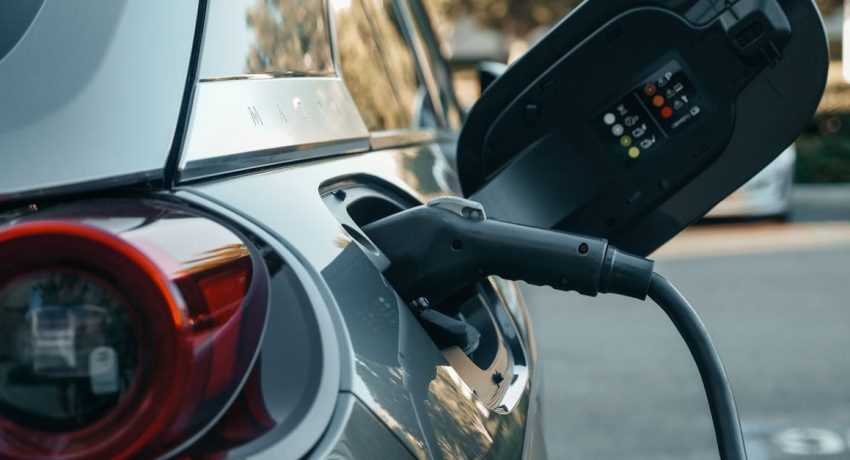
Charging a battery EV offers significant convenience. Home charging stations allow drivers to refuel overnight, transforming parking spaces into fueling stations. Not only does this save time, it also reduces the dependency on traditional gas stations.
Performance of battery EVs continues to improve. Advances in battery technology enhance driving ranges, with some models exceeding 300 miles on a single charge. Quick acceleration often surpasses that of internal combustion engines, providing a thrilling driving experience.
Cost-effectiveness becomes evident when considering maintenance and energy expenses. Battery EVs typically have fewer moving parts, resulting in lower maintenance costs. Electricity prices for charging are often more stable than fluctuating gas prices, helping drivers save on fuel over time.
In addition to environmental and economic benefits, battery EVs offer numerous incentives. Various federal and state programs provide tax credits and rebates to encourage adoption. Manufacturers are also investing heavily in research and development, resulting in a growing variety of models catering to different consumer needs.
The shift toward battery EVs underscores a commitment to innovation and sustainability. As technology advances, these vehicles are poised to play a pivotal role in the future of transportation. Increased infrastructure, such as public charging stations, further supports the widespread adoption of battery electric vehicles.
Key Features of Battery EVs
Battery electric vehicles (EVs) showcase numerous features that enhance their appeal and performance. These characteristics solidify their position as the future of transportation.
Performance Metrics
Performance metrics reveal that battery EVs offer superior capabilities compared to traditional vehicles. Acceleration times can reach 0 to 60 mph in as little as 3 seconds for some models. Maximum driving ranges frequently exceed 300 miles on a single charge, ensuring practicality for daily use. Energy efficiency is another critical aspect, with some vehicles achieving over 4 miles per kilowatt-hour. Additionally, regenerative braking systems contribute to enhanced efficiency, allowing for energy recovery during deceleration.
Charging Capabilities
Charging capabilities play a crucial role in the convenience of battery EVs. Home charging solutions use standard 240-volt outlets, allowing drivers to charge vehicles overnight. Level 2 chargers provide faster charging, often replenishing batteries in just a few hours. Public charging stations, including fast chargers, can offer significant power boosts within 30 minutes. Various networks facilitate easy access, enabling seamless travel for EV owners. Infrastructure development is continuously improving, further enhancing the accessibility of charging options nationwide.
Environmental Impact of Battery EVs
Battery EVs significantly reduce environmental damage compared to conventional vehicles due to their zero tailpipe emissions. This advantage drastically lowers air pollution levels in urban areas.
Carbon Footprint Comparison
Comparing carbon footprints reveals that battery EVs contribute to reduced greenhouse gas emissions. On average, they emit 60% less CO2 over their lifetimes than gasoline vehicles. Studies show that the emissions associated with electricity generation decrease over time as renewable energy sources, like solar and wind, expand. Despite emissions from battery manufacturing, improvements in recycling processes further diminish their overall carbon impact. Therefore, battery EVs serve as an environmentally friendly option in the automotive industry.
Resource Efficiency
Resource efficiency in battery EVs is notable, especially concerning energy usage. These vehicles convert more than 60% of the electrical energy from the grid to power at the wheels, compared to only about 20% for gas-powered cars. Additionally, advances in battery technology reduce raw material consumption, especially in lithium-ion batteries. Sustainable mining practices also play a crucial role in minimizing environmental harm during resource extraction. As initiatives for battery recycling expand, the industry can further enhance resource efficiency, ensuring a greener future.
Market Trends and Growth
The market for battery electric vehicles (EVs) is evolving rapidly. Increasing consumer interest and government incentives drive growth.
Consumer Adoption Rates
Battery EV adoption rates are rising significantly. In 2022, sales of battery EVs accounted for 5.6% of total vehicle sales in the United States, doubling from the previous year. Many consumers prioritize sustainability, leading to improved perception. Young buyers, particularly Millennials and Gen Z, show greater attraction to environmentally friendly options. As charging infrastructure expands, convenience enhances consumer appeal. Surveys indicate that over 70% of potential buyers consider access to charging devices a crucial factor in their purchase decisions.
Major Players in the Industry
Several automakers dominate the battery EV market. Tesla leads with a substantial share, known for its innovation and extensive network of superchargers. General Motors has also committed to transitioning its lineup, planning to introduce 30 new EV models by 2025. Additionally, Ford is investing $22 billion in EV development to expand its electric portfolio. Rivian and Lucid Motors, newcomers, attract attention for their unique offerings and high-performance models. Traditional manufacturers like Volkswagen and Nissan are adapting swiftly, enhancing competition and driving advancements in battery technology.
Advantages and Challenges
Battery electric vehicles (EVs) offer a mix of benefits and challenges, reshaping the automotive landscape. The growing interest in these vehicles is driven by their advantages, but potential limitations also exist.
Benefits of Battery EVs
Battery EVs provide significant environmental benefits, including zero tailpipe emissions, which contribute to improved air quality, particularly in urban settings. Cost savings on fuel arise due to lower electricity prices compared to gas. Performance figures impress, with some models accelerating from 0 to 60 mph in about 3 seconds. Charging convenience increases efficiency, allowing drivers to refuel at home overnight. Many battery EVs have a range exceeding 300 miles on a single charge, reducing range anxiety for long trips. Consumer adoption continues to grow, reflecting a 5.6% share of total vehicle sales in the U.S. in 2022, driven largely by younger generations valuing sustainability.
Current Limitations
Battery EVs face several challenges that may hinder broader adoption. Range limitations remain a concern for some drivers, especially as the average range can be less than that of traditional gas-powered vehicles. Charging times vary, often taking longer than a typical gas refill. Infrastructure gaps still exist, with uneven distribution of charging stations across regions. High initial purchase prices deter some potential buyers, despite long-term savings on fuel and maintenance. Limited options for specific vehicle types continue to restrict choices in the market. Concerns about battery disposal and resource extraction further complicate the environmental narrative, demanding ongoing innovation in technology and recycling practices.
Battery electric vehicles are undeniably shaping the future of transportation. Their eco-friendly nature combined with advanced technology makes them an attractive option for consumers seeking efficiency and performance. As infrastructure continues to grow and innovations in battery technology emerge, the barriers currently faced by potential buyers will likely diminish.
With increasing adoption rates and a shift in consumer preferences toward sustainability, battery EVs are poised to become a dominant force in the automotive market. The commitment to reducing emissions and enhancing energy efficiency will not only benefit drivers but also contribute to a cleaner environment for future generations. The journey toward a more sustainable transportation landscape is just beginning, and battery EVs are leading the way.

