
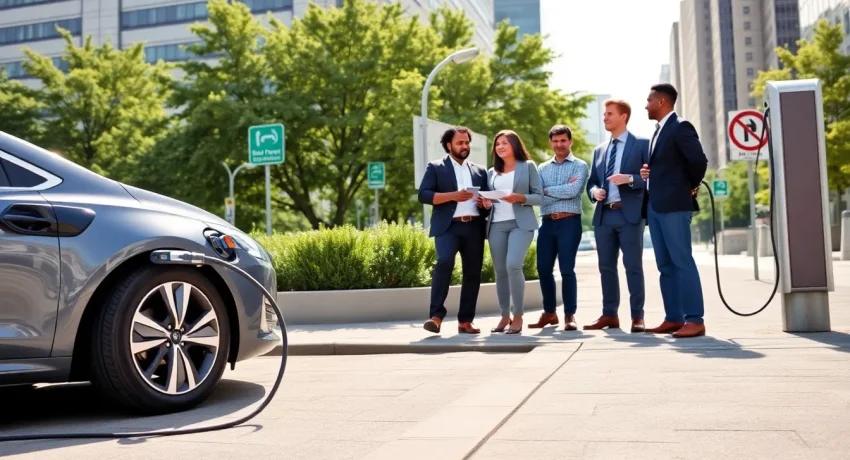
Electric vehicles are taking over the roads, and while they promise a cleaner future, they come with their own set of quirks. Whether you’re a die-hard car enthusiast or just someone who enjoys a smooth drive, you might be wondering if making the switch to electric is really worth it. Grab some popcorn and let’s jump into the electrifying world of EVs with a balanced look at their pros and cons. Spoiler: you might just find a reason to charge up.
Understanding Electric Vehicles
What Are Electric Vehicles?
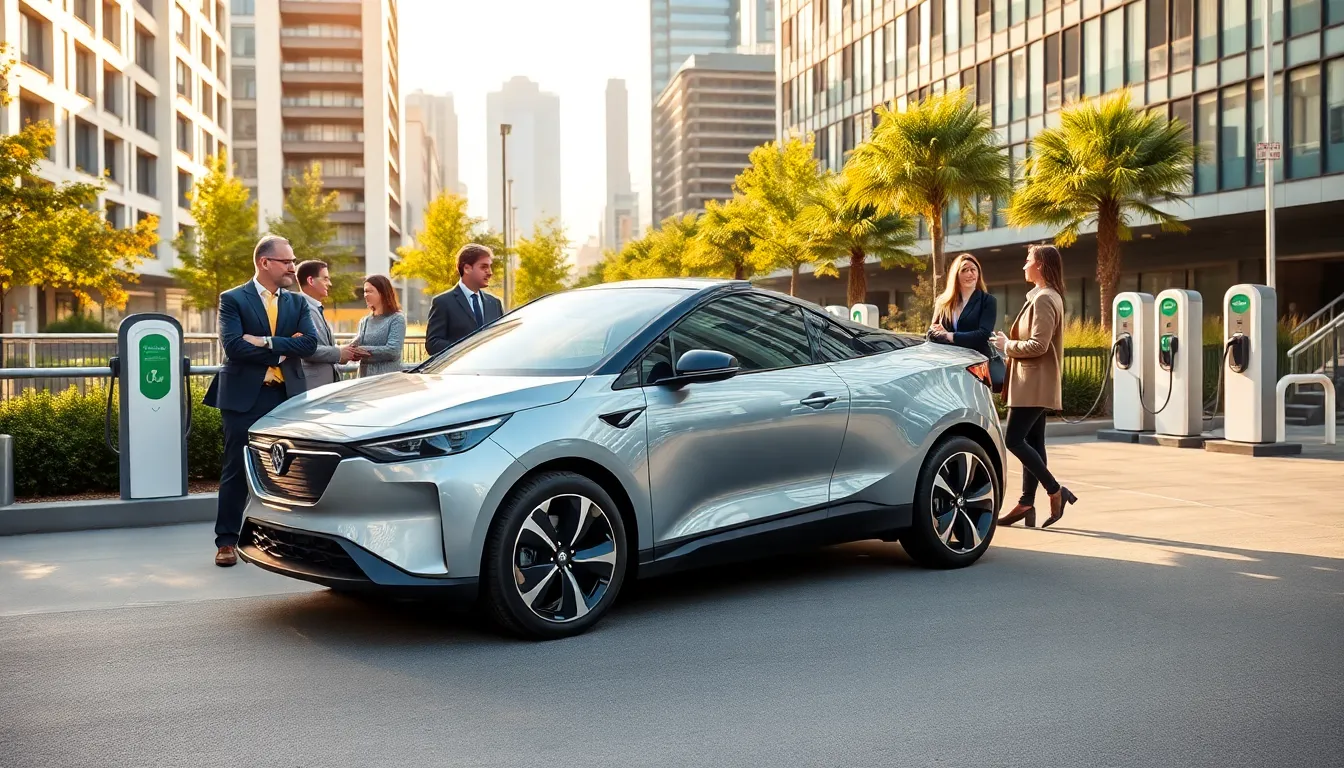
Electric vehicles, or EVs as the cool kids call them, are cars powered entirely or partially by electricity. They boast batteries that store energy, allowing them to run without the traditional internal combustion engine that requires gasoline or diesel. From plug-in hybrids to full battery electrics, they come in various shapes and sizes to cater to diverse driving needs.
The Rise Of Electric Vehicles
Once considered a niche product for tree-huggers, electric vehicles are quickly becoming mainstream. With advancements in technology and increasing environmental awareness, sales are surging. Recent figures suggest that global EV sales soared past 3 million units, what an electrifying statistic. Automakers are racing to keep up with this demand, introducing new models and improving infrastructure. No wonder he’s thinking about going electric.
Pros Of Electric Vehicles
Environmental Benefits
One of the top reasons people jump on the EV bandwagon is environmental sustainability. Electric vehicles emit zero tailpipe emissions, a massive plus for urban areas battling air pollution. Besides, when powered by renewable energy, they can significantly reduce greenhouse gas emissions. Mother Nature would surely approve.
Cost-Effectiveness
While electric vehicles might seem pricey at first glance, the long-term savings really make a difference. EVs have lower operating costs because electricity is generally cheaper than gasoline. Also, many states offer tax breaks and rebates for EV buyers, making that upfront sticker shock a little less intimidating.
Performance Advantages
When it comes to performance, electric vehicles put the pedal to the metal. With instant torque, drivers experience rapid acceleration and a smooth ride. Unlike traditional vehicles, there are fewer moving parts to worry about, which can equal a more satisfying driving experience. Who doesn’t enjoy felling like a race car driver when merging onto the freeway?
Reduced Maintenance Costs
Speaking of fewer moving parts, EVs require less maintenance compared to their gas-powered counterparts. No oil changes or complicated engine repairs to worry about. Just a few simple checks now and then can keep that electric chariot running smoothly, saving both time and money.
Government Incentives And Subsidies
Governments are eager to promote the adoption of electric vehicles, offering incentives that can lighten any buyer’s wallet burden. From tax credits to grants for charging stations, these perks can help offset the initial costs. By taking advantage of these programs, new owners can pocket some serious savings.
Cons Of Electric Vehicles
Limited Driving Range
On the flip side, electric vehicles often struggle with range anxiety, a real concern for potential buyers. While many newer models can go 200 miles or more on a single charge, it’s still less than most gas vehicles. For those long road trips, this limitation can be a headache if charging stations aren’t conveniently located.
Charging Infrastructure Challenges
Speaking of charging, the current infrastructure is still a work in progress. Not every neighborhood has charging stations, and those fast chargers can be scarce on long journeys. Until charging becomes as ubiquitous as gas stations, some drivers may think twice before making the switch. Nobody wants to be that person stuck searching for a plug.
Higher Initial Costs
Even though the long-term savings, the initial cost of purchasing an EV can be daunting. Many electric vehicles carry a higher price tag than their gas counterparts, mainly due to the expensive battery technology. Although prices are gradually decreasing, it’s still a barrier for some consumers. He may window-shop the options rather than jumping in with both feet.
Battery Life And Production Impact
Batteries don’t last forever, and replacing them can be costly. Besides, the production of lithium-ion batteries leads to environmental concerns. Mining for lithium and cobalt, essential components of EV batteries, poses significant ecological challenges. So, while our electric options are greener, they aren’t without repercussions.
Impact On Energy Supply
Electric vehicles increase demand for electricity, which raises questions about the capacity of current energy grids. If a significant number of drivers switch to EVs, will there be enough renewable energy produced? As electric vehicles proliferate, infrastructure will need to expand, something to ponder when he thinks about his electric future.

