

When it comes to speed, electric vehicles have broken boundaries faster than you can say “zero to sixty”, and they’re leaving gas guzzlers in the dust. Gone are the days when electric cars were known only for their quiet rides and eco-friendliness. Nowadays, they’re the speed demons commanding attention on the road. So, buckle up as we peddle through the electrifying world of the fastest electric vehicles and what makes them race past the competition.
Overview of Electric Vehicle Performance
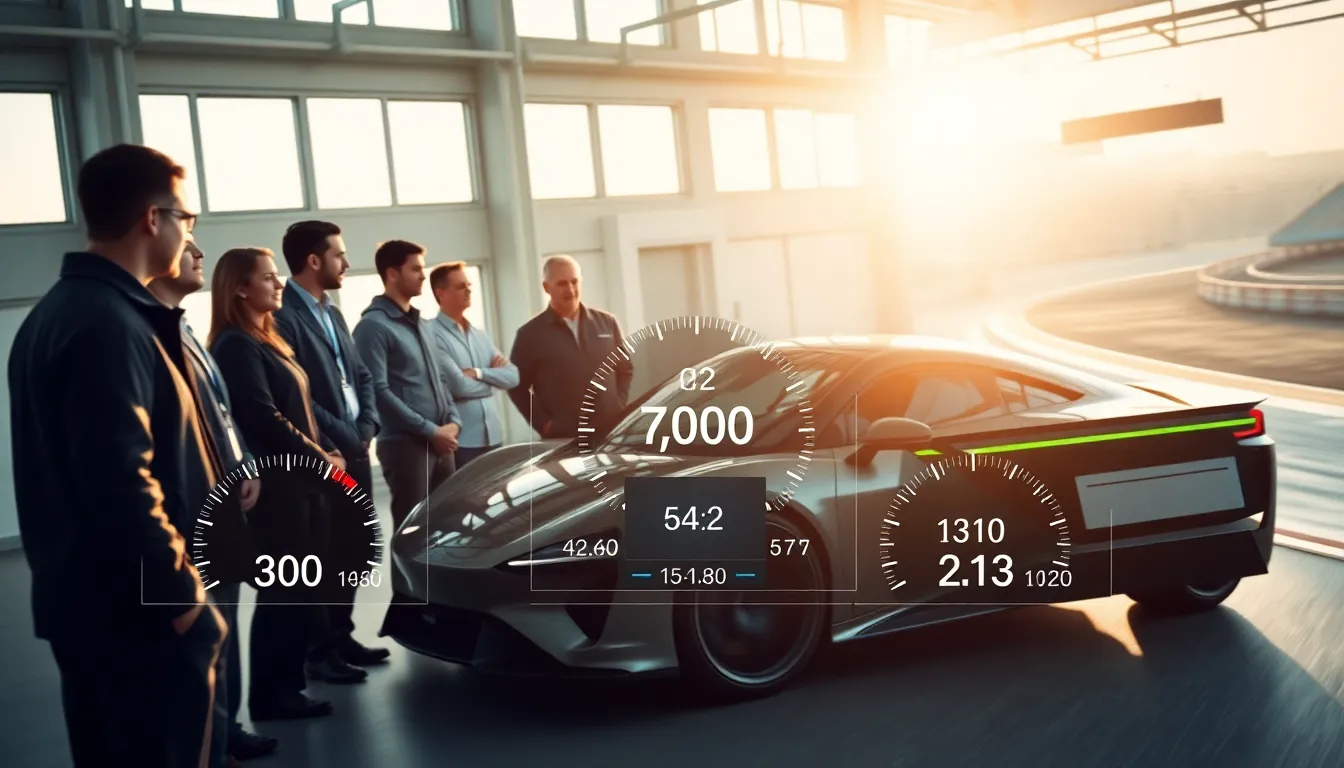
Electric vehicles (EVs) have evolved significantly over the last decade. Initially frowned upon as slow and unexciting, they now showcase jaw-dropping acceleration and remarkable top speeds. One of the main reasons for this transformation lies in their design. Unlike traditional combustion engines, electric motors deliver power directly to the wheels, enabling immediate torque and blistering start times. This instant acceleration transforms driving dynamics and has made EVs favorites on racetracks worldwide. With advancements in technology, the performance metrics of these vehicles are constantly improving, leading to the birth of high-performance electric models that compete with some of the fastest gas-powered cars.
Key Factors Influencing Speed
Several elements play crucial roles in determining the speed of electric vehicles.
- Battery Technology: The capacity and efficiency of an EV’s battery directly impact its performance. Newer, lightweight battery packs now offer better energy densities, allowing for increased range and speed.
- Powertrain Design: A well-engineered powertrain, consisting of electric motors and gear ratios, can maximize performance. Many sports electric cars use multiple motors for all-wheel-drive capabilities and enhanced traction.
- Aerodynamics: The shape of an electric vehicle significantly influences its speed. Manufacturers are increasingly focusing on creating designs that minimize drag, which allows vehicles to cut through air more efficiently, reaching higher speeds.
- Weight: Lightweight materials like carbon fiber and aluminum are being used to reduce overall vehicle weight. A lighter car requires less energy for acceleration, allowing it to reach speed faster.
Top Fastest Electric Vehicles for 2025
As we enter 2025, some electric vehicles are poised to take the crown for speed. Buckle up for a thrilling ride through the top contenders:
1. Tesla Model S Plaid
With a 0-60 mph time of just under 2 seconds, the Tesla Model S Plaid has set benchmarks that others can only dream of. Its tri-motor setup delivers an astounding combined output of over 1,000 horsepower, making it a force on both the street and the drag strip.
2. Rimac Nevera
This Croatian marvel promises staggering performance figures including a top speed of around 258 mph. Minimal weight combined with a massive 1,914 horsepower ensures that the Rimac Nevera is not just fast but also agile, dominating any racetrack it graces.
3. Lucid Air Dream Edition
The Lucid Air Dream Edition redefines luxurious performance, boasting 1,111 hp and a top speed of 168 mph. Its focus on comfort doesn’t compromise speed, making it a formidable competitor in the high-end market.
4. Porsche Taycan Turbo S
Exuding style and power, the Taycan Turbo S can hit 60 mph in just 2.4 seconds. With its sophisticated engineering and luxurious feel, it combines performance with everyday drivability.
5. NIO EP9
This electric hypercar has made headlines with a top speed of 194 mph, and its record-setting laps at the Nürburgring further solidify its performance credentials. With 1,341 horsepower, the NIO EP9 makes clear that speed is in its DNA.
Future Trends in Electric Vehicle Speed
As technology evolves, the future of electric vehicle speed looks promising.
Innovations in Battery Technology
New breakthroughs in battery technology are on the horizon. Solid-state batteries promise higher energy densities, faster charging times, and greater longevity. This could eventually lead to faster, more powerful electric vehicles that are accessible to a broader audience.
Impact of Aerodynamics on Speed
The automotive industry is realizing the impact of aerodynamics more than ever. With advancements in computer modeling for wind tunnel testing, manufacturers are designing increasingly efficient shapes that can further reduce drag and enhance speed performance. Expect electric vehicles to become sleeker, faster, and more efficient as these technologies advance.

